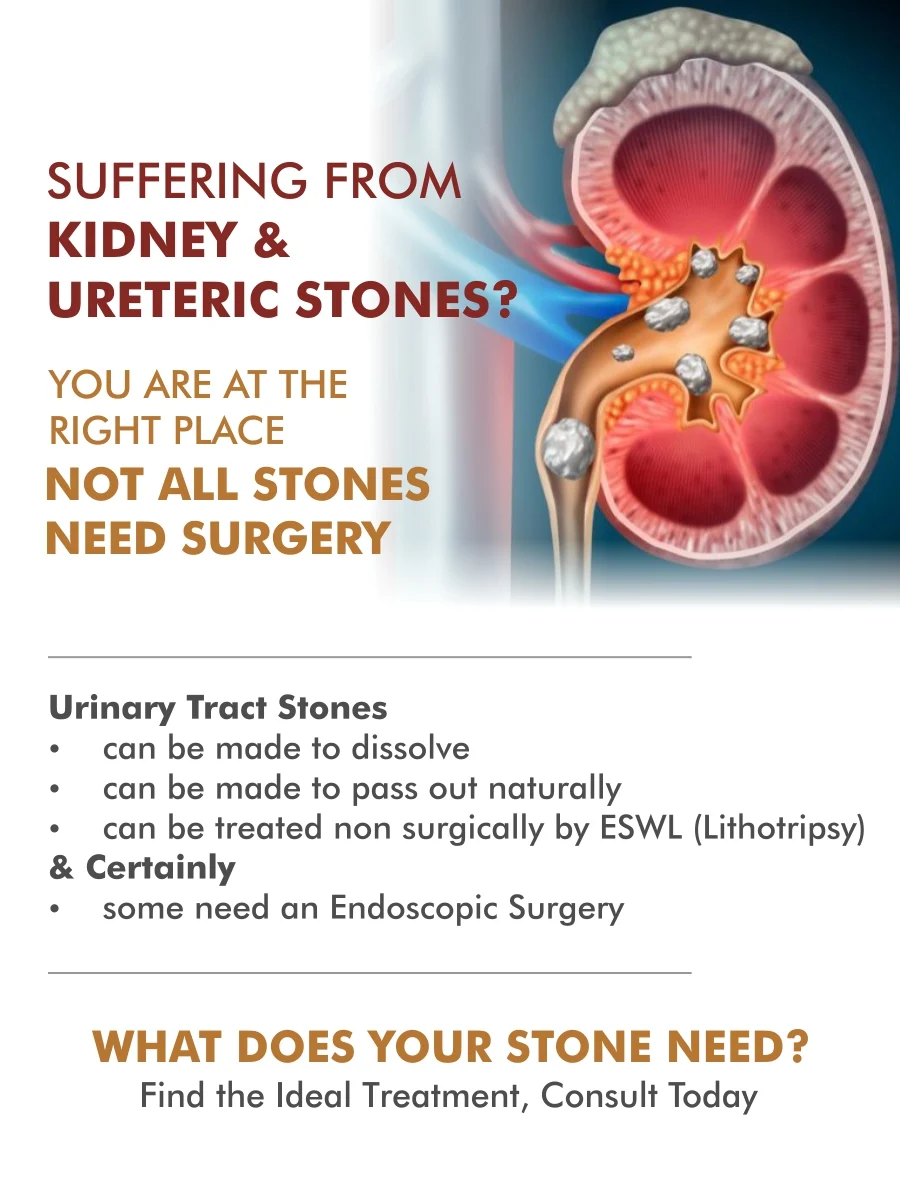



Treatment Options for Kidney, Ureteric & Stones
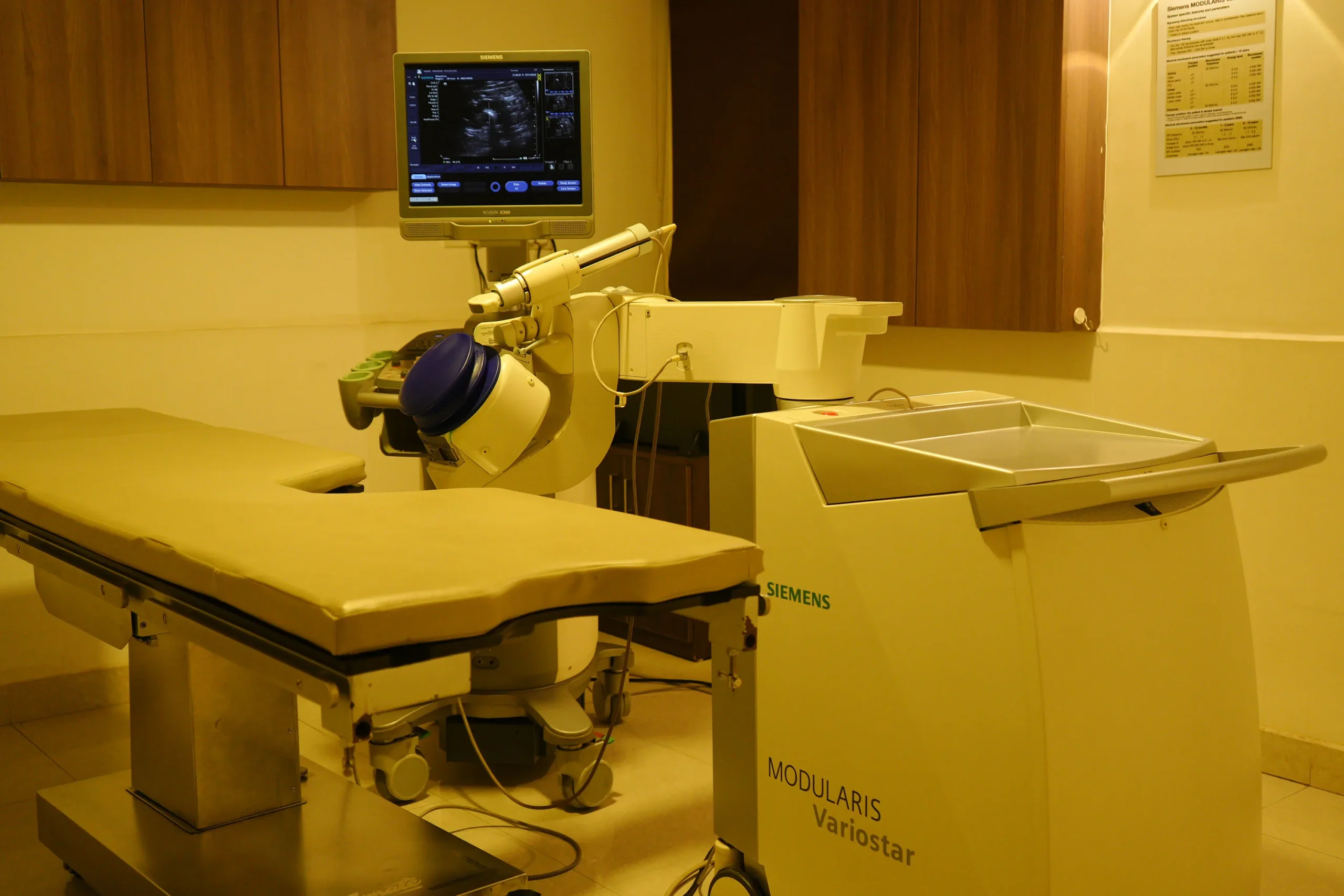
1. Extra Corporeal Shock Wave Lithotripsy (ESWL)
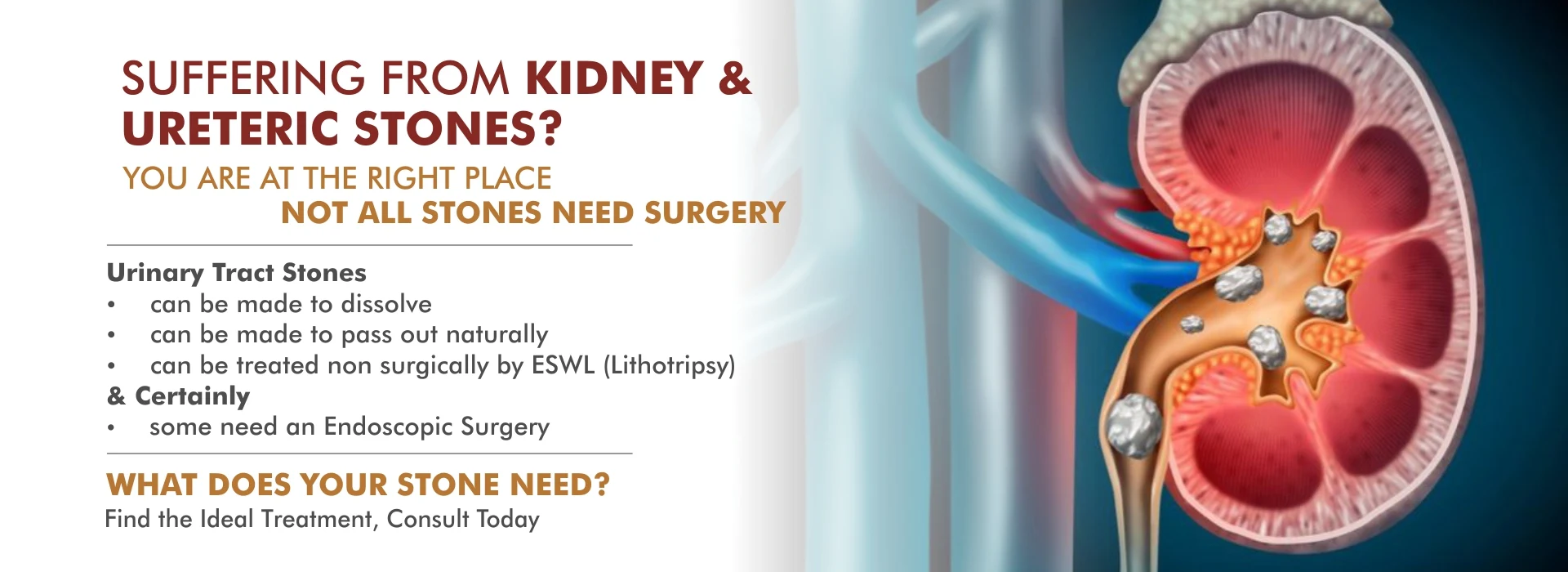
Non Surgical Treatment options for Kidney Stones. Ideal treatment option for patients who prefer to avoid surgery. ESWL is a good treatment option for soft stones less than 2 cms located in the kidney and soft stones less than 1.5 cms located in the ureter. This procedure do not need any anaesthesia and patient can be discharged within few hours of the procedure and they can resume back to their work in most cases.
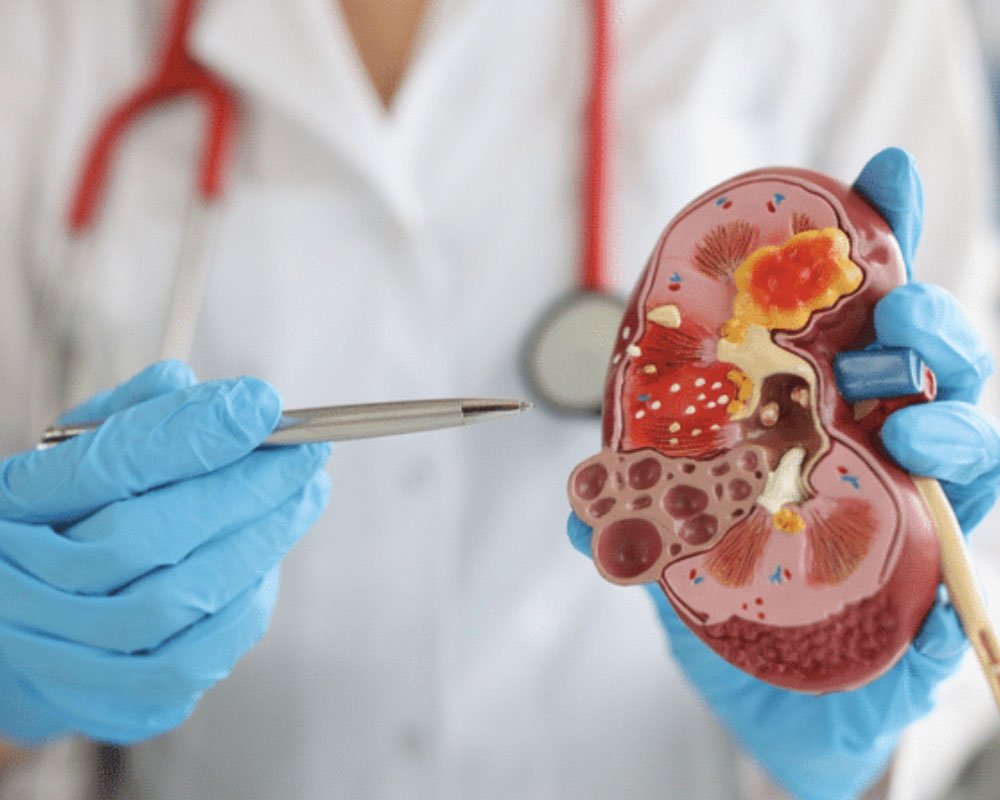
2. LASER RIRS (Retrograde Intra Renal Surgery)
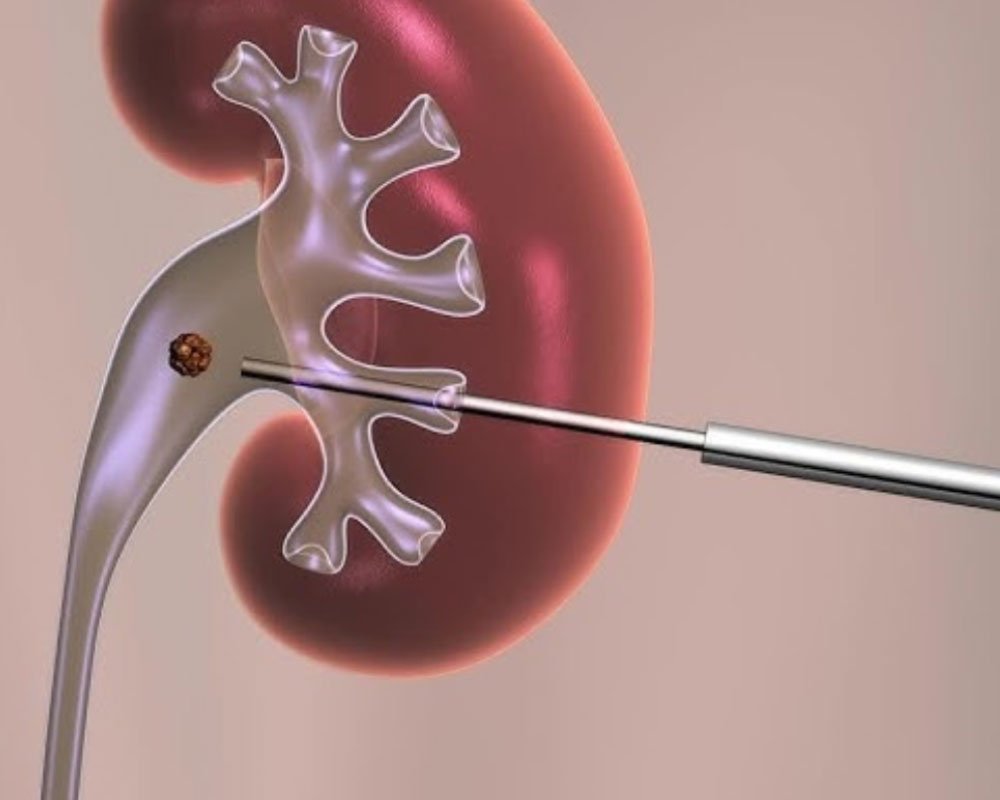
RIRS is a good treatment option for patients suffering from hard stones in the kidney and upper ureter and who prefer a quick and painless treatment. Stones upto 3 cms can be treated with RIRS. Under general anaesthesia, a thin scope will be passed from the urethra into the bladder and than into the ureter all the way upto the stone in the kidney. With the help of laser this stone is dusted into very tiny fragments. A DJ Stent is placed which remains inside the patient’s body for 2 weeks. Duration of hospitalisation is 24 hours. After 2 weeks a Ultrasound or a CT Scan is performed to check the clearance and the DJ stent is removed.
3. LASER URSL
Laser URS is the procedure for treating lower and mid ureteric stones. Under short general anaesthesia, a thin scope will be passed from the urethra into the bladder and than into the ureter. The store I the ureter will be fragmented with laser. A stone is placed and patient is discharged. Duration of hospitalisation is 24 hours. After 2 weeks a Ultrasound or CT Scan is performed to check the clearance and the DJ stent is removed.
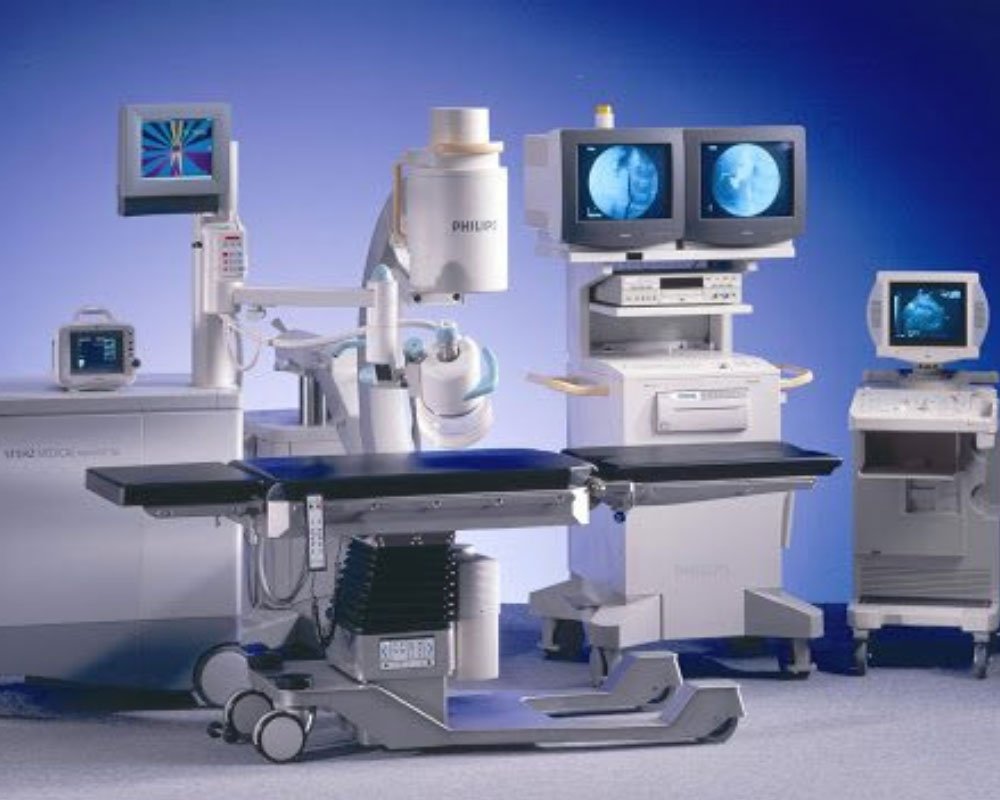
4. PCNL (Per Cutaneous Nephro Lithotomy)
PCNL is the preferred treatment option for Large and Multiple Kidney Stones. In this procedure a small 1 cm cut is made at the back and a tract is developed down to the kidney. A scope is inserted into the kidney through the tract. The stones are fragmented and then taken out. A small tube will be placed into the tract for a day. Duration of hospitalisation - 2-3 days. A stent will be placed which will be taken out after 2-3 weeks.
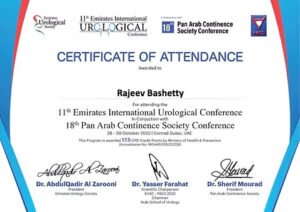
Certificate of Attendance
Presented a paper on Outcome of USG Guided ESWL for kidney stones larger than 2 cms at the Emirates International...
Read More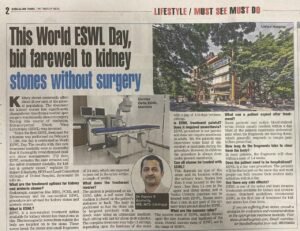
World ESWL Day
On the occasion of world ESWL day, people awareness article was published in Times of India on Feb 7, 2022
Read More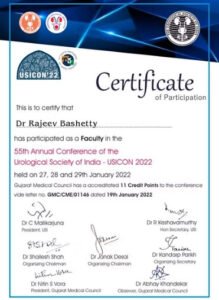
Urological Society of India
Dr Rajeev Bashetty was invited as a Guest faculty in the 55th Annual National Conference to speak on the topic...
Read More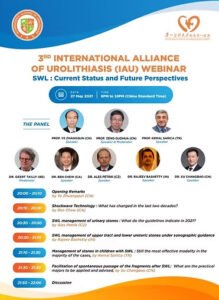
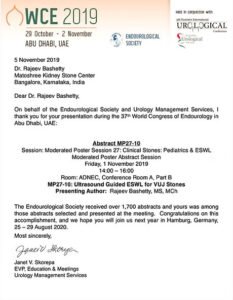
Ultrasound Guided Eswl for Vuj Stones
November 1,2019 World Congress of Endourology 2019 Abu Dhabi Vesico Ureteric Junction (VUJ) is the most narrowest portion of the...
Read More

15Mar
Understanding the Most Common Urological Problems in Men
One of the most commonly seen medical issues with both men and women around the world is associated…

15Mar
Latest Advances in Urology Treatments for Better Health
The urinary tract system, which includes the kidney, urethra, bladder, and ureter, plays an important role in maintaining…

15Mar
ESWL for Kidney Stones: Painless Removal, Benefits & What to Expect?
Kidney stones are solid masses of unwanted salts and minerals that can form inside the kidneys. In about…